
Geriatrics clinic provides in-depth care for older adults
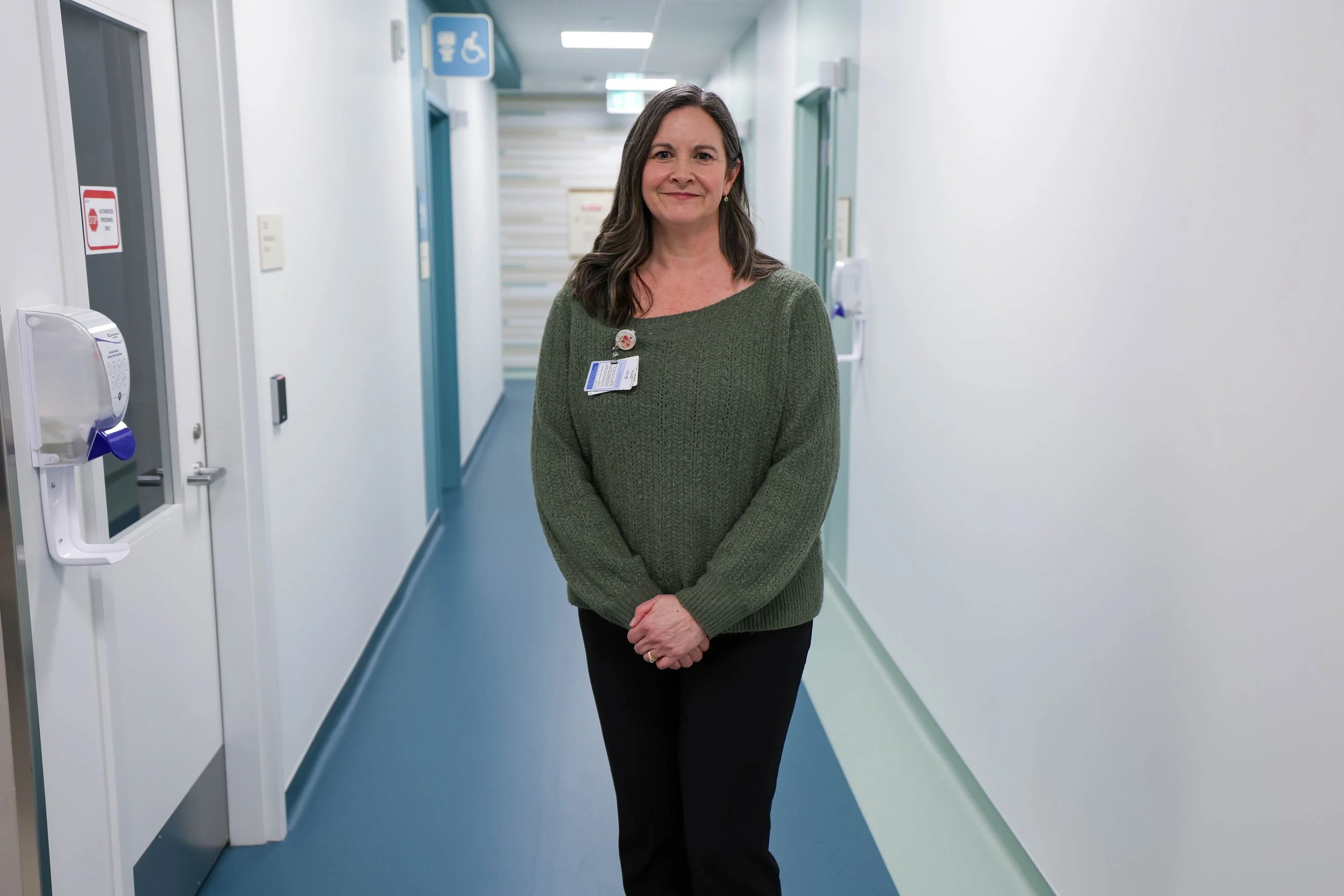
Older adults in Edmonton who have complex needs can now be referred for specialized geriatric care in a community setting. The geriatrics clinic at the Stelmach Community Health Centre in Mill Woods assists referring doctors with diagnoses and connects patients with the right supports. It is one of several outpatient clinics at the health centre that previously operated out of the Grey Nuns Community Hospital.
What the clinic does
The geriatrics clinic is a consult service. Its interdisciplinary team performs comprehensive assessments for older adults, identifies concerns and develops management and follow-up plans with recommendations for referring doctors. The team also co-ordinates care and connects patients with the right supports.
"We work to assist with diagnosis and then any kind of treatment that is available," says Jean Blank, a registered nurse and geriatric assessment nurse who has been with Covenant Health for 15 years. "I always say it's like putting pieces of a puzzle together because everybody's situation is a bit different."
Patients are generally community-dwelling adults over the age of 65, though there's some flexibility depending on need, says Jean. They come from a range of living situations — some live alone, some live with spouses or children and many are in supportive living centres where the physician has requested help with a particular issue.
The focus is on people with complex needs and some element of frailty — those who require more time than a family doctor can provide in a regular medical clinic visit.
"We always think that's our privilege — that we have that time to devote to working through all of the details," says Jean. "That's really just not possible in a family doctor's office these days."
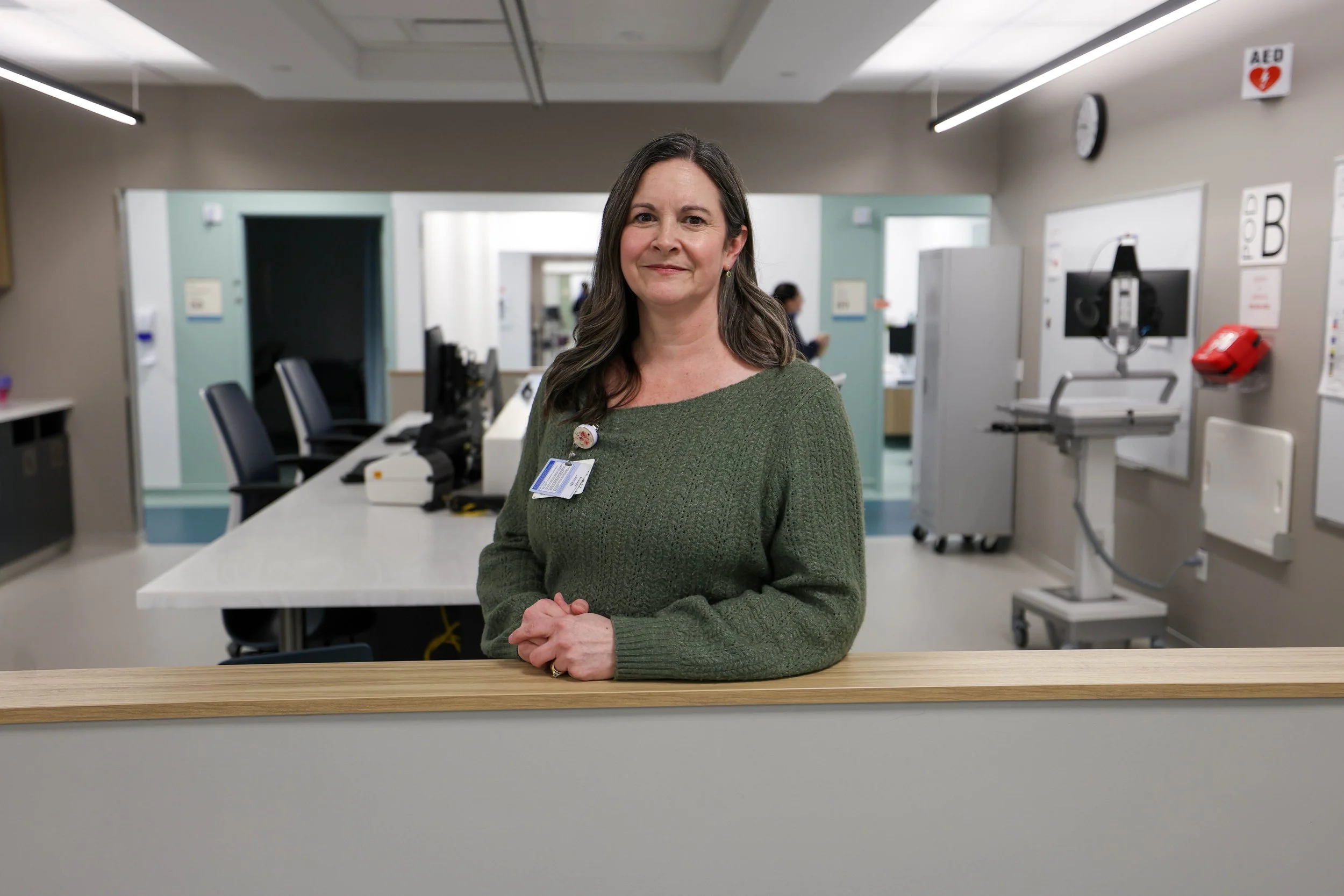
Jean Blank, a geriatric assessment nurse, works with the geriatrics clinic’s interdisciplinary team to complete comprehensive assessments for older adults who need specialized care.
An interdisciplinary team approach
Along with Jean, the clinic's interdisciplinary team includes four physicians who specialize in care of the elderly, administrative support staff and medical students and residents who rotate through regularly.
The clinic runs five days a week, though the number of patients seen each day varies. New assessments take several hours each, so the team typically does no more than two in a day, sometimes adding follow-up appointments.
Looking at the whole person
Each assessment covers a wide range of areas. Jean and her colleagues review the patient's medical history, go through their medications to make sure they are appropriate and safe for older adults and look at cognitive concerns, completing testing when needed. They also review each patient’s day-to-day functioning and social situation and do a physical exam.
Beyond that, the team looks at syndromes particular to older adults, such as issues related to mobility and falls, nutrition, pain, mood and mental health concerns.
"We move through an interview, some cognitive assessment and physical testing, and then try and put it all together to see what comes out of that," Jean says.
Common reasons for referral include concerns about dementia, questions about decision-making capacity, falls, weakness and mobility issues, mood changes and nutrition problems.
To become a patient with the clinic, an older adult must be referred by a family doctor, specialist or attending physician at an emergency department. The wait list is currently several months long, reflecting demand for this specialized service across the region.
How long patients stay in care
How long a patient is seen by the clinic depends entirely on the individual, says Jean. Some patients come to the clinic once, and the team sends its recommendations directly to their family doctor. Other patients come back once or twice for follow-up. Still others have been on the clinic's caseload for a decade.
"It really depends on the issues, whether the patient is progressing and whether the treatments are helping," says Jean. "It also depends on the level of informal support. If someone is well supported by several children, we may not need to follow them for years. But if someone's primary support is another frail older adult, then we might hang on to them a little bit longer."
Connecting people with the right supports
Beyond providing medical recommendations and referrals, the team makes referrals to community resources to build the best possible support network for each patient. Common referrals include the Alzheimer's Society for education and support, Caregivers Alberta for caregiver wellness and a social prescribing program that connects patients with a link worker who can help with everything from legal issues to housekeeping and meal delivery.
"We provide some initial resources, but if they need better connections or are having trouble making their own connections, we link them with a community care caseworker," Jean says.
The team also provides information about safety resources such as medical alert devices and programs to help manage wandering concerns related to dementia.
Maximizing independence first
Jean says questions about whether a patient needs to move to a higher level of care are common, but the clinic's approach is to work with community supports first.
"We always try to maximize community supports before we get to that point where people may need to move," says Jean. "Quite often there's still a lot of room to build in supports at home or in their supportive living environment before we get to the next step."
When a move does seem necessary, the clinic can make recommendations and its physicians can perform capacity assessments if required. But the final decision about qualifying for a higher level of care falls to the Alberta Health Services’ community care team, says Jean.
Providing a sense of calm
Jean says patients like the space at the Stelmach Community Health Centre.
"It's bright, fresh and new. There's a certain level of calm in this clinic that was not found at the old site,” she says.
Jean sees potential in having other services and partners nearby as more tenants move into the building. A medical diagnostic imaging centre is already open down the hall, and once the laboratory moves in, patients who struggle with mobility won't need to make separate trips across the city for tests.
"If they can manage some of these things all in one place, I think that will make a big difference to them," Jean says.
Jean also hopes the visibility of a new building dedicated to health and wellness sends a message to the older adults it serves.
"Maybe from that, they'll feel just a little bit more seen and recognized," she says. "And maybe they'll feel some sense of hope that there's some care out there for them."

Find your way with Covenant Map
With the Covenant Map app, explore everything the Stelmach Community Health Centre at Covenant Wellness Community has to offer.
Download on the App Store or Google Play.